

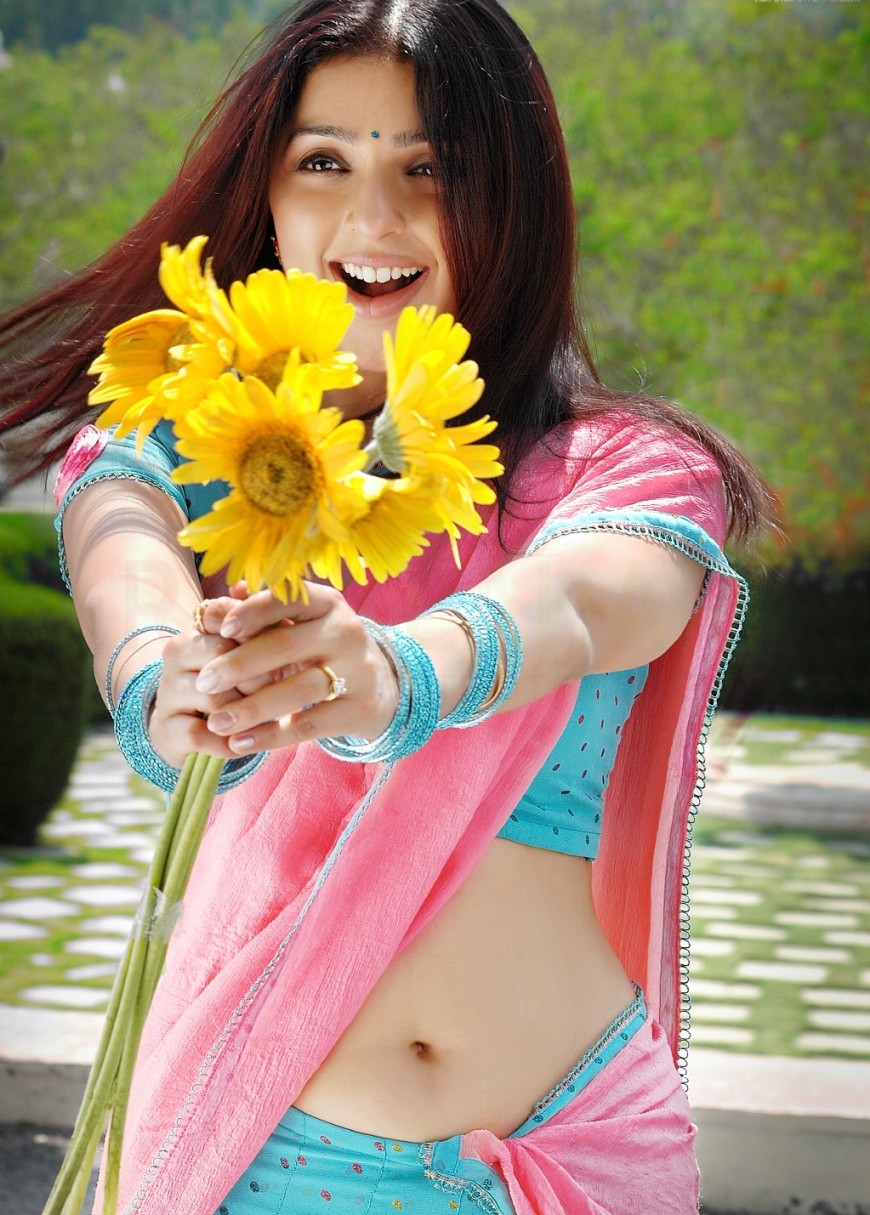
 Over the centuries, there have been changes in women fashion but Saree is still holding its grace and beauty. It is a strip of unstitched cloth ranging from four to nine meters in length that is draped over the body in various styles. It is popular in India, Bangladesh, Nepal, Sri Lanka, Bhutan, Burma, Malaysia, and Pakistan. The most common style is for the sari to be wrapped around the waist, with one end then draped over the shoulder baring the midriff.
The Indian-style Saree is a traditional dress that dates back to 2800-1800 B.C. Hindu culture was against wearing any clothing that was pierced with a needle, because they believed it to be impure. Therefore they used rectangular, six yards of woven, cotton cloth to create what is known as the saree. It is usually worn over a petticoat with a blouse known as choli or ravika forming the upper garment. The choli has short sleeves and a low neck and is usually cropped, and as such is particularly well-suited for wear in the sultry South Asian summers. Cholis may be backless or of a halter neck style. These are usually dressier with plenty of embellishments such as mirrors or embroidery, and may be worn on special occasions. Women in the armed forces, when wearing a sari uniform, don a short-sleeved shirt tucked in at the waist. The sari developed as a garment of its own in India and is in popular culture an epitome of Indian culture.


